|
|
|
Christ-centred. Creative. Canadian.
|
|
|
|
|
|
A couple of months ago, I was in Whitby, Ontario, making my way on hands and knees through my parents’ crawlspace. “It’s not that bad,” my Mom called after me as I batted at cobwebs. I was looking for a wooden chest stashed somewhere behind my cello and under a pile of shoeboxes. My parents called it a “hope chest.”
|
|
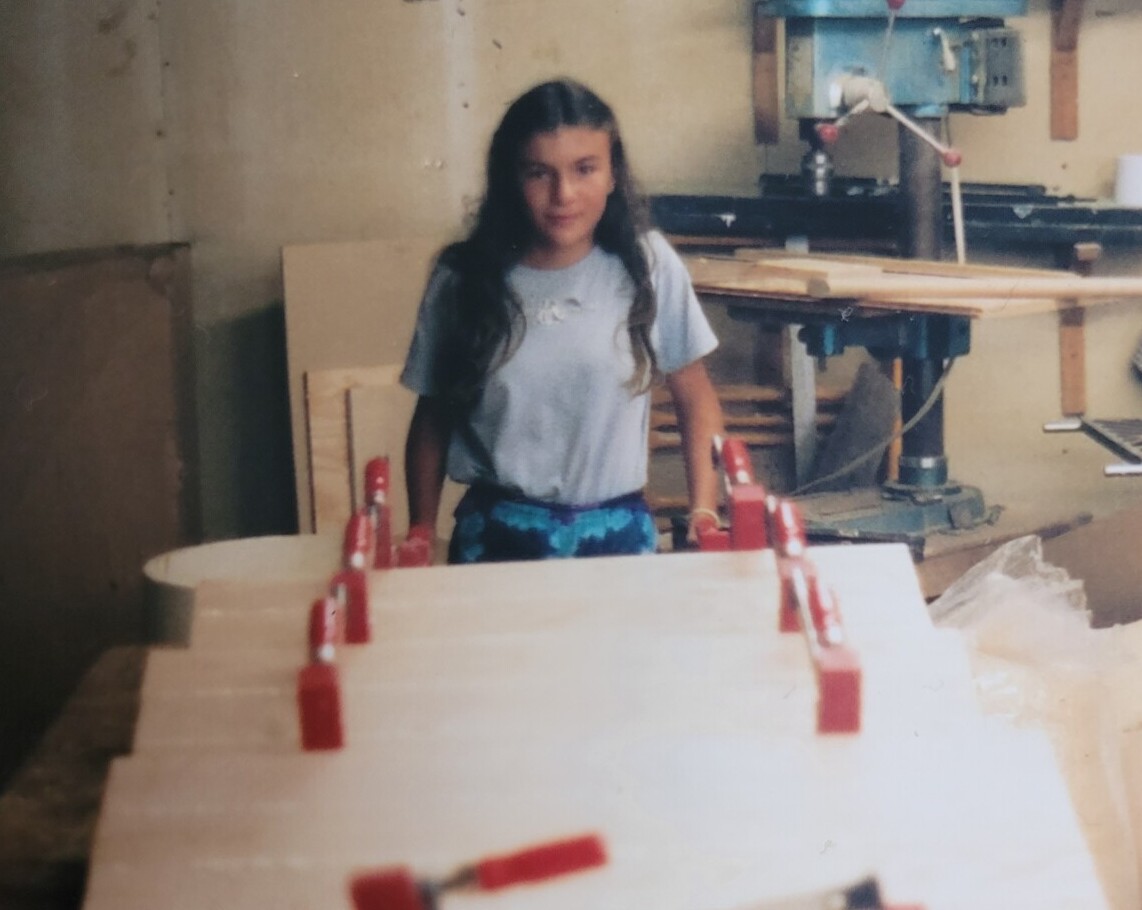
I built the hope chest with my Dad when I was 12.
|
|
|
|
I found my account of the process, handwritten neatly: “It doesn’t matter when you arrive at Beppe’s; coffee is always ready. After I finished my juice and Dad finished his coffee, we went out to Uncle George’s workplace. It was a mess. Sawdust was everywhere. I liked the smell of fresh cut wood . . . We put those planks through countless machines to smooth, cut and shape it. Then, we glued them together. The glue puffed out as it dried, dribbling out of the cracks . . . Dad answered the phone once and spent half an hour talking. I hoped the phone wouldn’t ring again.”
|
|
When I asked my parents why we built hope chests, they said they were trying to do something new. But “hope chests” date back to 1500s Italy. They aren’t a new idea, they were just new to us.
|
|
|
|
|
In the crawl space, I pulled up the lid of my hope chest – there was my name carved into it, along with the requisite flowers 12-year-olds draw. Building the hope chest was one of my “12 Steps” – a year-long series of challenges to mark the transition from girlhood to womanhood. My parents adapted the tradition from a combination of Kenyan initiation rites and American homeschool curriculum.
|
|
|
|
“Where did you hear about hope chests, again?” I asked.
|
“I read about them in a book somewhere,” my Mom answered. (That’s the origin story of many of our family traditions.)
|
I had heard that Dutch women filled boxes with household items in preparation for their marriage, as a financial contribution. Beppe (VanderMeeer) told me that it was partly because of long engagements: it was hard to find a house. When I asked if she had a wooden chest, she couldn’t remember. She was engaged in Holland and married in Canada, and many traditions were interrupted.
|
In my hope chest, there’s a set of Christmas trays from my Mom and a boxed Christmas candle Grandma (Snyder) gave me two decades ago for “my future home.” There are knit shawls from the thrift store and a single pepper shaker (no salt). And then there’s run-away piles of envelopes bulging with letters and notes from my friends. Those letters traveled from southern Ontario to the Congo rainforest and then I slipped them into my luggage to carry them back – sticky, creased, full of teenage enthusiasm and worlds we couldn’t translate for each other but wanted to share.
|
Last year, Angela organized a panel for CC’s 80th anniversary and named it “Unlocking the kist (trunk)” after the kist Dutch immigrants brought with them over the ocean. We had a kist in our family, too, of a kind: when my parents made their migration in 1998 to East Africa as career missionaries, they loaded a wooden box built by Pake VanderMeer into a sea container to ship it ahead of us. His box had already crossed the ocean once before on the Groote Beer.
|
My five siblings and I grew up around Pake’s box, which often stood in the centre of our living room in Kenya, Uganda and then the Democratic Republic of Congo. The address from his crossing on the Groote Beer slowly wore off, but the grey paint remained. It was a solid box, surprisingly resilient to equatorial termites and incredibly heavy.
|
Pake’s box is waiting in a friend’s house in Congo for my anticipated return. “We packed things we thought you would use when you started a home,” Dad reminded me.
|
I never really knew my Pake. He died when I was just one year old, eleven years before I would build my hope chest in his workshop. I pretend I can remember his quietness, the kind of love that cut and sanded the wooden blocks we played with; a love that pulled pranks and made pancakes every Sunday morning so his wife could rest. He worked with wood; all his five sons still work with wood. I associate the smell of sawdust with his memory, but that is all the inheritance I can claim.
|
“Beppe and Pake did things differently,” Dad says, often. “They were true to themselves. And Mom and I tried to be different, too.”
|
That means I’ve been primed by at least two generations to create new traditions. But I like the thought that the old ones stubbornly poke through. My parents might have Dutch names coded into their English ones, but my name doesn’t hide my heritage at all. Even though Pake passed away when I was young, my Ontario memories are housed in the home and workshop he built with his hands. And my East African memories happened around his box.
|
The day after I opened my hope chest, a childhood friend came to visit. We hadn’t seen each other in years. As we walked and talked, a plastic bag bounced in her hand. “It’s your letters,” she explained, when we sat down for coffee. “I found them at my mom’s house.”
|
|
Pretty much any kid who has grown up in multiple countries will tell you that it’s people who make a home. And now that I’m getting married in a few months, I think of marriage that way, too: promising to be home to someone, no matter what (or where).
|
I won’t be entering marriage with my hope chest (it’s too heavy to move from Ontario to B.C.). And Pake’s box in Congo is impossible to retrieve. But that just means there are parts of home that other people carry for us: whether it’s a wooden chest in Congo or a stash of letters in a friend’s childhood boxes. Parts of us we might never get back, or re-read. I like the thought that the future can wait; that we store so many versions of it where other people can find them.
|
|
To me, that’s what Christian Courier is, too. As an 81-year-old publication, most of our readers can declare that the generation before us built something good – something we could live in and create our memories in. But we’re building something too. This is issue number 3,187. We’re filling each issue together. Figuring out what it means to be home-makers for the future.
|
|
|
|
|
|
Did someone forward this newsletter to you?
|
|
|
|
|
|
READING THE DUTCH CRC WWII EXPERIENCE
|
|
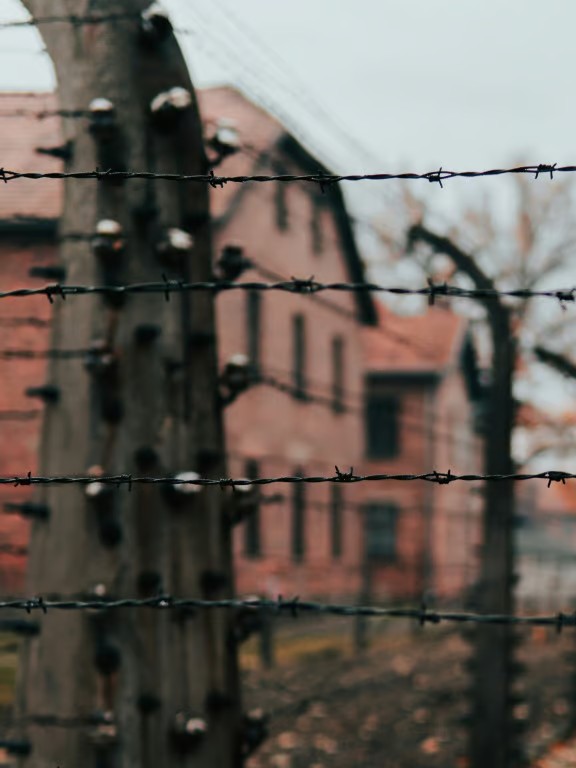
I grew up hearing about experiences of the war from relatives and thought they were “just history.” Yet the war ended fewer than a dozen years after I was born; now, as a senior citizen, I realize that is not a long time at all.
|
|
|
|
|
|
A NATION BORN OUT OF WAR AND LAWLESSNESS
|
|
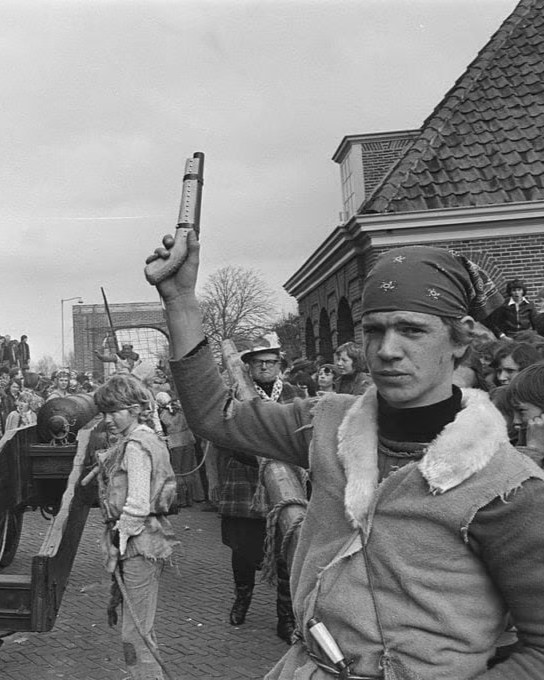
The capture of Brielle was an important turning point in the conflict known as the Dutch Revolt. That future seemed unreachable in 1588 because things had really fallen apart during the preceding twenty years.
|
|
|
|
|
|
SAVING DUTCH-CANADIAN HISTORY
|
|
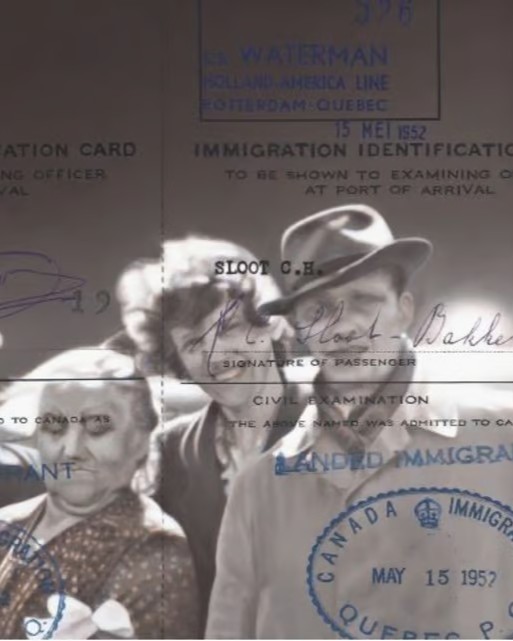
There are more than one million people of Dutch heritage living in Canada. They have made significant contributions to Canadian society in the areas of religion, education, agriculture, and political action.
|
|
|
|
|
|
|
|
|
With our readers and writers scattered across the globe, CC may not have a physical office location, but we do our best to foster a sense of home within our pages. Subscribe in print to find a community waiting for you.
|
|
|
|
|
|
   
|
|
|
|
|
|