|
|
|
Christ-centred. Creative. Canadian.
|
|
|
|
|
|
|
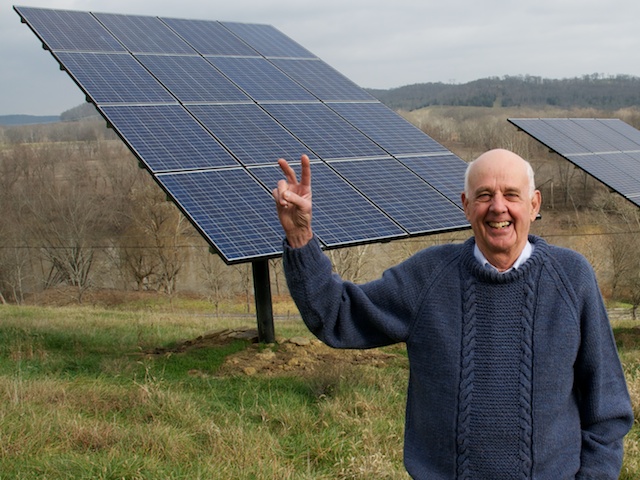
The Wendell Berry books were taken from their pride of place in our glass-fronted bookcase and piled around my favourite reading chair. Berry’s essays, fiction and poetry have been a source of wisdom and vision for me since I first picked up The Unsettling of America half a lifetime ago. Hearing of his death at the age of 92 on August 31, 2026, I just needed to spend some more time with this man of place, community and land. This contrarian agrarian.
|
|
|
|
Not only am I so deeply indebted to Berry in shaping my worldview, but it is fair to say that Sylvia Keesmaat and I wouldn’t have spent the last twenty-one years living, loving and tending our home and the land that surrounds us at Russet House Farm without his profound influence. In a secular world of self-reliant autonomy, Berry was a man of prayer. In a disenchanted world reduced to scientific explanation, Berry was grounded in a good creation birthed in love. In a world of propaganda and duplicity, Berry longed for truth. And in a world teetering between despair and cheap optimism, Berry was a prophet of hope.
|
|
Revisiting Berry’s writing, I wasn’t surprised that I began with, and invariably returned to, the poem that functions as an epigraph to his short novel Remembering.
|
|
|
|
|
|
Heavenly Muse, Spirit who brooded on
The world and raised it shapely out of nothing.
Touch my lips with fire and burn away
All dross of speech, so that I keep in mind
The truth and end to which my words now move
In hope.
|
|
|
|
|
In these six lines of poetry the reader enters into the heart of Berry’s vision and spirituality. Berry is praying to the very source of all creativity, the brooding Spirit who birthed creation. And, with echoes of Isaiah, he asks the Spirit to burn away all the deceitful dross of speech so that his words might be true and move in the direction of hope.
|
|
|
Keep me within that Mind
Of which it is a part, whose wholeness is
The hope and sense in what I tell. And though
I go among the scatterings of that sense,
The members of its worldly body broken,
Rule my sight by vision of the parts
Rejoined.
|
|
Here is another motif that runs throughout Berry’s work. In the beginning is wholeness, but that wholeness is scattered and the “worldly body broken.” The poet prays that this brooding Spirit would rule his sight by a vision of the parts rejoined. Such a rejoining, such a reconciliation, such a making whole of that which has been divided requires care, affection, neighbourliness and hospitality.
|
If it all begins with the Spirit brooding over a beautiful and generative creation, then it all ends with home. And so the poem concludes:
|
|
|
And in my exile’s journey far
From home, be with me, so I may return.
|
|
Berry is a prophet of exile, longing for and always pointing towards home. His argument against corporate agribusiness, global capitalism, industrialization and upward mobility is that it all creates a rootless monoculture that is spiritually, culturally, economically and agriculturally homeless. Western culture is in an exile of our own making. He explained this state of displacement in his 1992 book Sex, Economy, Freedom and Community, arguing that capitalism is “ready at any moment, by the means of power and wealth in the modern world, to destroy any place.”
|
There will be no homecoming, Berry insists, apart from seceding from such a home-destroying empire. This is a secession of the imagination, refusing to allow the ubiquitous images of this home-wrecking culture to take us captive. It is an embodied secession, seeking alternative homemaking ways to live. And it is a spiritual secession, refusing to bow the knee to idols any more, and pledging our allegiance anew to the Creator who has been made flesh in our midst. The Redeemer of a good creation that was made to be home, and will be restored as home.
|
In his poem, “The Mad Farmer, Flying the Flag of Rough Branch, Secedes from the Union,” Berry counsels:
|
|
|
From the union of self-gratification and self-annihilation,
secede into care for one another
and for the good gifts of Heaven and Earth.
|
|
Berry’s words call us to move from the homelessness of self-gratification to the care for one another and creation. From the winners and losers of a culture of competition to the conviviality of community. From a culture of exploitation and greed to an economy of care. From a reduction of creation as resources for domination to a neighbourly attentiveness and kinship with all creatures. From a divisive, fragmenting culture of exclusion and xenophobia to an ethos and practice of radical hospitality. From the homelessness of our exilic condition to a homecoming in the good Kingdom of God.
|
|
Such was the vision, spirituality and hope of Wendell Berry. We remember him with deep, deep gratitude.
|
|
|
|
|
|
Did someone forward this newsletter to you?
|
|
|
|
|
|
(2017, VIRGINIA)
|
The sun shone just that much brighter
And the tired flowers of summer
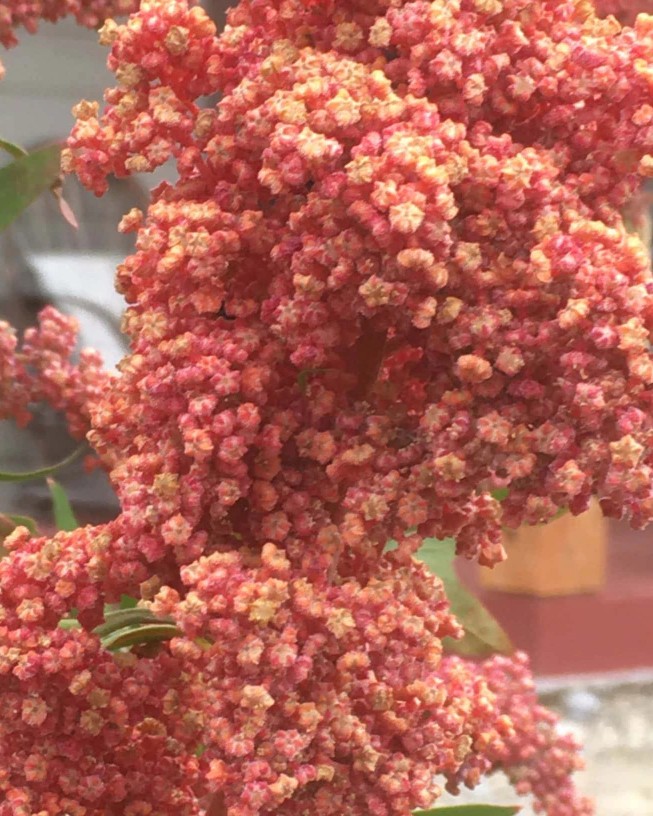
Seemed to glow and such a rich fragrance arose!
Oh! The smell of green –
It pierced our frightened hearts.
|
|
|
|
|
|
'EFFICIENT' EDEN?
|
|
Are there limits to what we can do to remodel the land? Will our activities eventually bite us in lower water tables, in minor weather pattern changes? What is truly useful? It’s a question we need to answer. It goes well with Wendell Berry’s question, “How much is too much?”
|
|
|
|
|
|
MY JOB IS TO PRAY
|
|
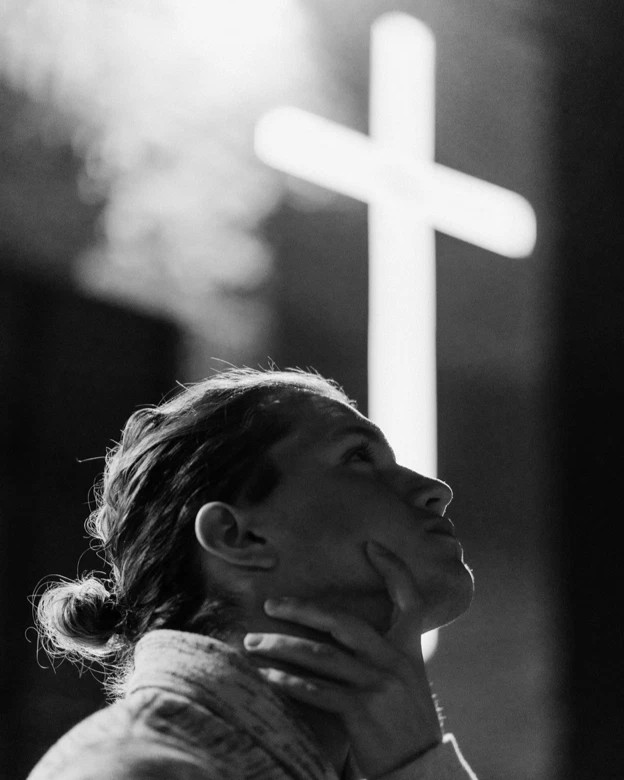
I give myself over to rhythms of prayer because in the Western world today, one of the most effective apologetics we can give is our own transformed selves, and sitting in the presence of Jesus is transformational.
|
|
Why are we so committed to hiding away to pray?
|
|
|
|
|
|
|
|
|
|
|
|
|
Christian Courier is unique in the Canadian journalism landscape, we are fully reader supported. We don't have a head office or denominational funding; we rely on you, our Christ-centred readers, to tell us what you care about and where you'd like to see us go. Take our reader survey; your responses will help shape our strategy for years to come.
|
|
|
|
|
|
   
|
|
|
|
|
|