|
|
|
Christ-centred. Creative. Canadian.
|
|
|
|
|
|
. . . Live
a three-dimensioned life;
stay away from screens.
Stay away from anything
that obscures the place it is in.
|
– “How to Be a Poet,” Wendell Berry
|
|
|
|
|
I woke early, and in the blue dawn my mind began to trace the contours of this editorial – my take as an educator, parent and interdisciplinary artist on the impact of technology and artificial intelligence on our daily lives and creative process, a theme to which I return often in my work.
|
|
|
Our rapidly evolving technological landscape and the widespread adoption of generative AI are matters of concern for many folks. Among related issues are the virtual erasure of play-based childhood, the youth mental health epidemic, the online proliferation of deepfake material, the nonconsensual collection of personal data and creative work, and the mostly unregulated use of potable water and arable farmland for the construction and maintenance of data centers – to name but a few among a constellation of concerns. With so much at stake, the time to initiate robust, worldview-oriented conversations within our communities, organizations and institutions regarding the role of technology and AI in our lives is yesterday.
|
|
|
|
After taking the dog out this morning and getting the kids fed, I poured my fifth cup of coffee and prepared to sit down and write. And then? The power went out.
|
|
I am on an island, far from home. Home, where I’ve left my stacks of books, planning as I was to cite their electronic versions. Without the internet, there is no replacement for these texts. Nothing left but my working memory, a muscle further atrophied whenever I offload information or delegate tasks to the machines in my life rather than attend to each with intention.
|
|
|
|
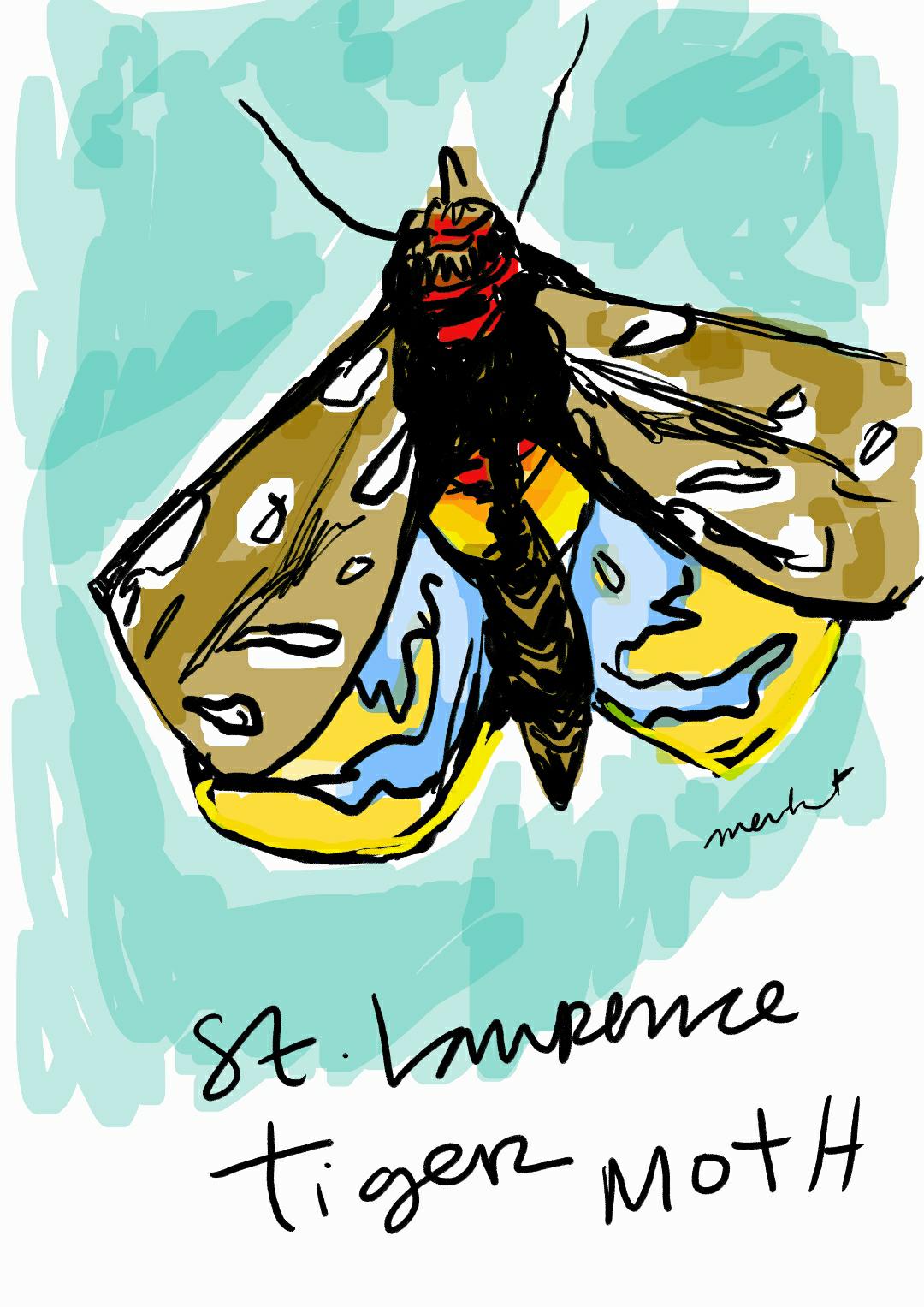
Katie Hoogendam, MERKAT art.
|
|
|
|
But I count myself lucky, having come to writing in a time of clunky pencil sharpeners, yellow legal pads and bound books, an era before widespread internet access. I am fortunate to have been empowered to think critically and to value my own insight and analysis. I am grateful for the educators who took the time to model what it means to resist the lure of the quick fix and instead surrender oneself to the long, messy work of pursuing one’s craft, calling and vocation.
|
Such a collaborative, three-dimensional education is an increasingly rare privilege today, as educators are tasked not only with teaching, but taxed by endless data management, and where students barely old enough to hold a pencil find themselves burdened by the expectation that they somehow navigate this brave new world without an obvious north star.
|
For every dash of a teacher’s red pen or scribbled marginal anecdote alongside my grade four journal entries and graduate papers alike, I am grateful. For the hours spent making art with my children, spent scribing their words just as my mother did for me – a scene virtually unchanged despite the passage of time – I am grateful.
|
This embodied dynamic between parent and child, teacher and student, artist and inspiration, is at its most essential, call-and-response. In stark contrast to the two-dimensional, asynchronous connection available online, such synchronous, responsive collaboration cannot occur in isolation. Like a song sung in rounds, this is the creative process; this is education at its most fundamental. This is sacred work.
|
In her essay, “A Few Words to a Young Writer,” Ursula K. Le Guin writes, “To misuse language is to use it the way politicians and advertisers do, for profit, without taking responsibility for what the words mean. Language used as a means to get power or make money goes wrong: it lies. Language used as an end in itself, to sing a poem or tell a story, goes right, goes towards the truth.” Yet a for-profit posture is exactly the business model undergirding the technologies we use to streamline our workflows, vibe-code apps, write and edit our documents, and generate images, summaries and suggestions in answer to our queries and prompts.
|
As an artist, I cannot surrender to the abstract mystery of the creative process if the end work is reduced to nothing more than a collection of information to be fed into the larger economic machine. Similarly, human life itself must be heralded as greater than a mere assemblage of quantifiable data points – blood pressure, steps taken, hearts broken, hours scrolling.
|
In educating and parenting alike, we cannot serve those in our charge if the goal is to optimize that which cannot be quantified: the incongruent, feral, wonderous, creative mind of a child – though this is exactly what some technologies are designed to do. And yet: children and teenagers are inefficient. Art is inconvenient. Blood-and-bone life itself, the source of dreams and seat of imagination, is but one singular, glorious, bacchanalian celebration of inefficiency and inconvenience.
|
When we encounter new technologies, we must resist the urge to be enchanted, infatuated or mesmerized by the potentialities claimed by the products at hand, or to feel a frenetic need to “keep up” with the changing landscape for fear of being left behind.
|
Instead we might ask ourselves: Is this technology truly necessary? Does this technology numb or deaden an existing skillset? Does this technology collect my data or the data of those for whom I am responsible (children, students, aging parents, clients, etc.) in exchange for its “free” services? Is this technology proven to have the potential to cause environmental, social, psychological or other harm? Does this technology unduly tax Earth’s natural resources? Does this technology, either in its development, construction, production, execution, maintenance or delivery in any way subjugate the human beings employed by its services? Are there alternatives to this technology that directly benefit human beings trained in a particular profession (sourcing artwork from human artists, music from human musicians, editing services from human editors, language classes from human teachers, and so on)? Does this technology isolate me or pull me closer to myself, my family and my real-world, three-dimensional community? Along with countless other questions, just waiting to be asked.
|
|
The oligarchs and the trillionaire among us would have us believe that a certain kind of future, determined by their technological innovations, is inevitable. But we can choose to defy that narrative. We can reject the notion that we humans are merely passive consumers, trapped in a capitalistic hall of mirrors. We can instead claim our identity as creators, active constructors of the world we wish to see for our children and generations to come. Let us begin this work together: heart-to-heart, shoulder-to-shoulder, in three miraculous dimensions.
|
|
|
|
|
|
Did someone forward this newsletter to you?
|
|
|
|
|
|
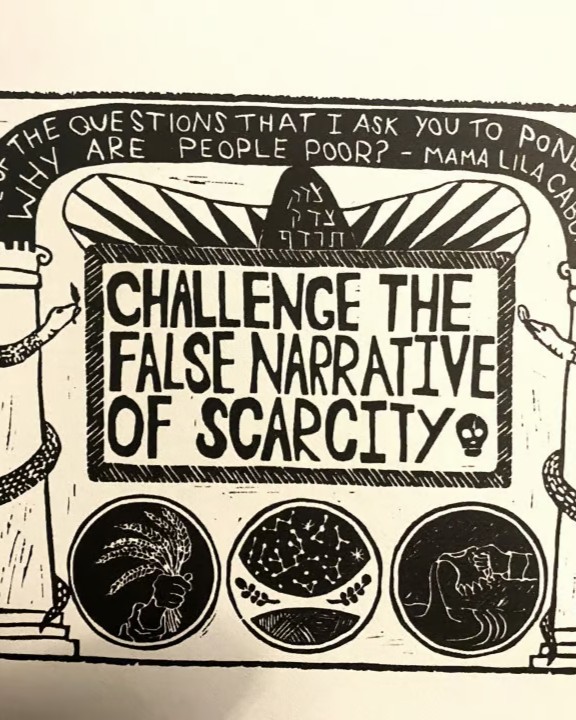
THRUTOPIAN STORYTELLING
|
|
Thrutopian writing tells stories that present practical, tangible steps through our present and coming challenges into a hope-filled, possible future. Thrutopia offers realistic processes to build a liveable future grounded in gratitude, awareness and presence.
|
|
|
|
|
|
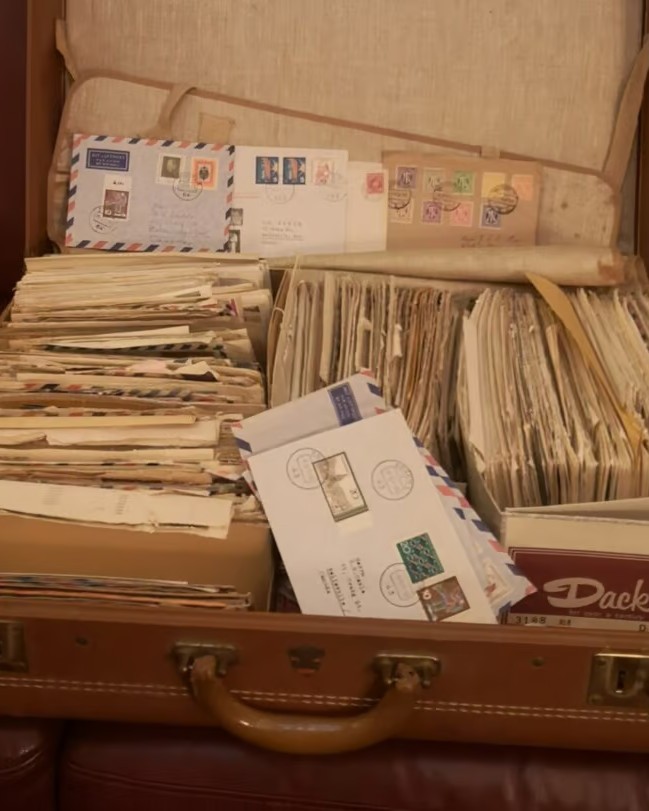
THE LOST ART OF LETTER WRITING
|
|
We have lost something in giving up on letter writing. Letter writing at its best displays a range of emotions, clarity of expression, a personal connection and a critical spirit. Does the average email produce all that?
|
|
|
|
|
|
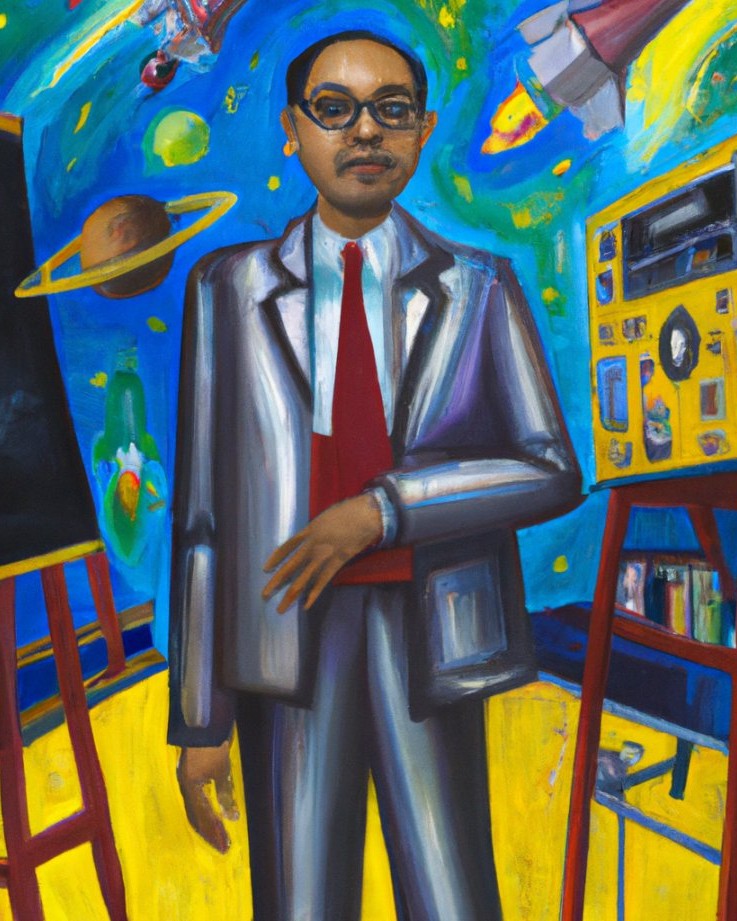
THE ROBOTS ARE COMING
|
|
As hard as it is for me to admit it, I think writing as a profession will never be the same. I know that teachers and professors are scrambling to find tools to weed out ChatGPT submissions. I think in five years’ time, educators will assume that students are using AI.
|
|
|
|
|
TRAVEL WITH CHRISTIAN COURIER
|
|
|
|
|
|
Christian Courier features authors from across Canada, making each issue feel like a trip across the country. Subscribe to CC in print and travel Canada with us!
|
|
|
|
|
|
   
|
|
|
|
|
|