|
|
|
Christ-centred. Creative. Canadian.
|
|
|
|
|
|
Stewardship has been a useful concept to promote greater care for creation, but now the word itself may be more of a barrier than a help for the current debate about pipelines and energy policy in Canada.
|
|
In the 1970s and 80s, the concept of responsible stewardship was helpful to draw attention to harmful environmental impacts and to counter unfettered market forces as the sole driver of economic development.
|
|
|
|
In public policy, it led to a focus on sustainable development strategies with policy tools like environmental impact assessments, full-cost accounting, polluter-pay policies and the precautionary principle. These tools, used to address climate change, are now being rapidly dismantled as bureaucratic “red tape.” A recent example is the Ford government in Ontario killing Toronto’s green building policies which were having positive impacts, such as more energy-efficient buildings and the creation of good jobs.
|
|
In a May speech to the Alberta Christian Leadership Summit, Alberta Premier Danielle Smith stated that expansion of the oil industry and more pipelines is good stewardship, drawing on the parable of the talents (Matt. 25) and her core values. She did not explain how blocking the development of renewable energy resources fit with her understanding of Biblical teachings about stewardship and the use of talents. If leaving bitumen deep in the ground is a waste of God-given gifts, would that not also be true of blocking the use of God-given sunshine and wind to provide electricity? In another speech, she defined the government’s core values as “freedom, family, community and free enterprise.” Care of creation is not on the list. This understanding of stewardship draws on a strong evangelical theme in the U.S., described by Darren Dochuk in his book, Anointed by Oil: How Christianity and Crude Made Modern America.
|
|
|
|
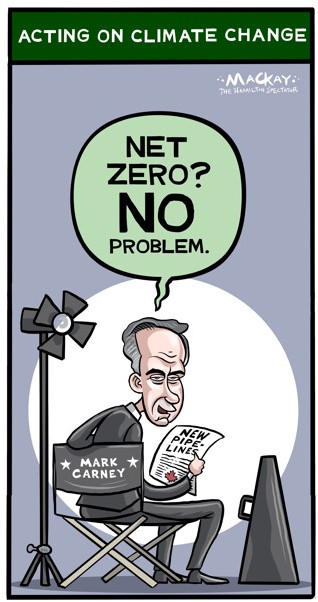
A different approach comes through the views of Prime Minister Mark Carney. His values, explained in his book titled Values, include “sustainability, responsibility and resilience” with a strong focus on care for planet earth.
|
|
Carney now claims that Canada, as an energy superpower, can develop fossil fuels and clean energy and manage climate change. The clean energy strategy remains underdeveloped, compared to the current focus on pipelines. The non-partisan Senate Standing Committee on Energy recently reviewed the Carney government’s draft sustainability strategy for 2026-2029 and found it inadequate to meet stated objectives. Will the Carney approach pass a test of good stewardship?
|
|
|
|
On the other end of the spectrum, most ecological justice groups prioritize strong policies to reduce pollutants and protect creation. This approach to stewardship is championed by former Environment Minister Steven Guilbeault, who left parliament because of its backtracking on climate change policies. Protests against the rapid dismantling of climate change policies at all levels are growing.
|
The concept of stewardship may be inadequate to describe an ethics of creation care, because it treats humans as “managers” of non-human elements for human interests. Many Christian ethicists and ecologists have replaced stewardship with concepts such as creation care or ecological justice which raise the status of non-human interests. Learning from Indigenous people, such as botanist Robin Wall Kimmerer, they highlight the interdependence and reciprocity between human and non-human elements of creation.
|
|
Words and what we mean by them matter as we talk about these crucial issues for the future of Canada. What matters more, in my view, is speaking up loud and strong during this hot summer to help ensure that creation care is not lost in the rush for economic development in Canada.
|
|
|
|
|
|
Did someone forward this newsletter to you?
|
|
|
|
|
|
A PIPELINE. AN IMPASSE.
|
|
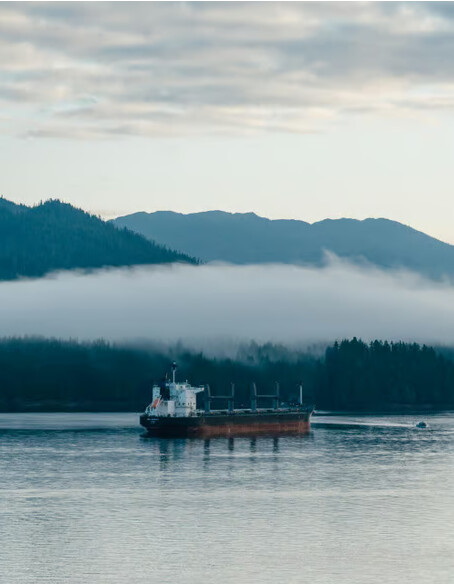
“That pipeline has to happen for our country.” Nova Scotia Premier Tim Houston delivered this statement during a CBC interview on January 28. Houston said that a bitumen pipeline from Alberta to the north coast of B.C. is key to national unity.
|
|
|
|
|
|
FIGHTING SIDE BY SIDE
|
|
When it comes to the methodology of stewardship practices, Eason says she would like to see more churches develop an advocacy-oriented approach.
|
|
|
|
|
|
NO EASY ANSWERS
|
|
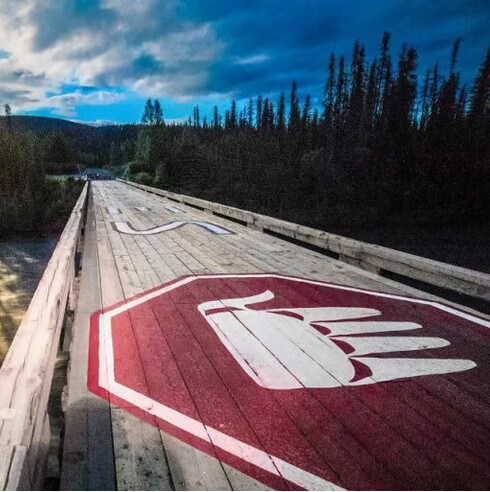
What exactly is going on here in north-western B.C.? Why this blockade by a group of hereditary Wet’suwet’en leaders?
|
|
|
|
|
STEWARD REDEMPTIVE JOURNALISM
|
|
|
|
|
|
Journalism exists in an ecosystem that you play a role in. Sustain redemptive journalism: subscribe in print! Your $6/issue subscription keeps Christian Courier growing.
|
|
|
|
|
|
   
|
|
|
|
|